

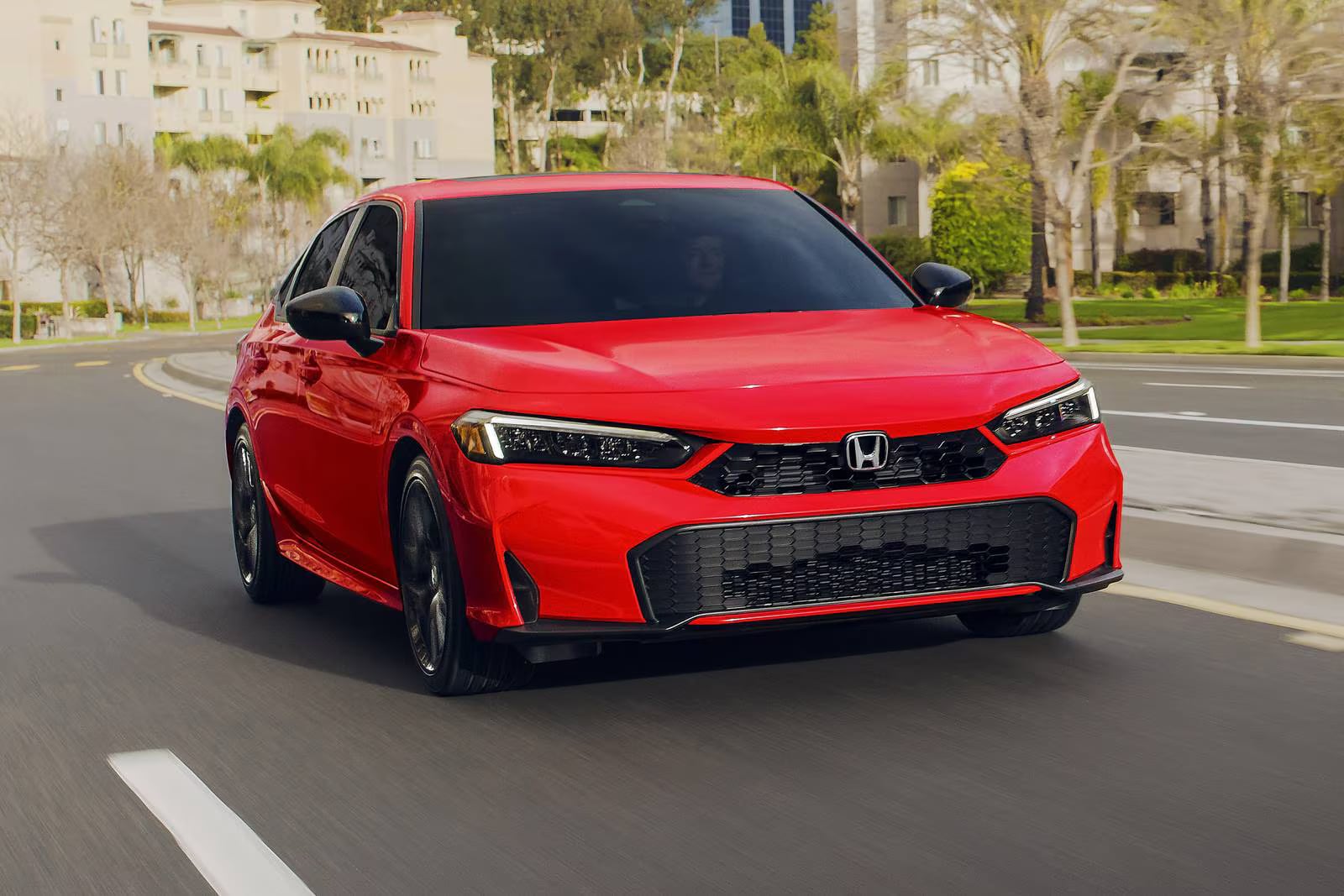
Scheduled routine maintenance for a 2027 Honda Civic typically costs between $80 and $150 for minor visits such as an oil change and tire rotation, while comprehensive mileage intervals ranging from 30,000 to 60,000 miles generally run between $250 and $600 depending on required filter, brake fluid, and transmission fluid replacements. Qualifying new models also benefit from the complimentary Honda Service Pass program, which covers standard factory-scheduled maintenance for 1 year or 12,000 miles.
Routine upkeep expenses depend primarily on the specific service alphanumeric code triggered by the vehicle's onboard computer. A standard oil change utilizing genuine 0W-20 full synthetic motor oil and an original equipment oil filter sits at the lower end of that price spectrum. When an inspection interval calls for replacement of the engine air intake filter and the cabin dust and pollen filter, parts and labor add an additional $75 to $130 to the invoice. Fluid flushes, including continuously variable transmission fluid and brake hydraulic fluid, represent periodic mid-tier costs that preserve mechanical longevity.
Unexpected repair costs remain low when scheduled visits are maintained consistently. Over an initial five-year ownership window, total out-of-pocket maintenance and basic repair expenditures for a Civic generally average under $4,500. Our technicians help drivers anticipate upcoming service milestones by providing transparent estimates before beginning any work. To plan your maintenance budget or consult directly with our factory-trained advisors, you can find our service center on Clemson Boulevard or speak directly with our team by dialing (864) 305-4173 today.

Table of Contents
- How Often Does a 2027 Honda Civic Need an Oil Change and Tire Rotation?
- How Does the Maintenance Minder Work and What Wear Items Does It Skip?
- What Does Brake Pad Replacement and Rotor Care Cost for a Honda Civic?
- What Are the Expected Ownership Costs, Warranty Coverage, and Honda Sensing Service Needs?
- What Service Does a 2027 Honda Civic Need, and When?
- Frequently Asked Questions About 2027 Honda Civic Maintenance
- Schedule Certified 2027 Honda Civic Care at Piedmont Honda
How Often Does a 2027 Honda Civic Need an Oil Change and Tire Rotation?
A 2027 Honda Civic requires an engine oil change every 7,500 to 10,000 miles under normal driving conditions, or at least once every 12 months regardless of mileage traveled. Tire rotations should occur at every oil service interval, typically every 5,000 to 7,500 miles, to promote balanced tread wear across all four wheels and protect the vehicle's front-wheel-drive suspension geometry.
Operating conditions heavily dictate how rapidly engine oil breaks down. Severe operating conditions accelerate oil degradation and require service closer to the 5,000-mile mark. Conditions qualifying as severe include frequent short trips under 5 miles, prolonged engine idling, stop-and-go urban traffic, driving in freezing or dusty conditions, and travel across hilly terrain. Commuters driving along secondary roads near Greenwood often experience variable throttle inputs and elevation changes that cause the engine computer to compute oil life faster than steady highway cruising would.
Ignoring oil degradation leads to preventable internal engine friction and accelerated component wear. Civic owners should monitor several physical warning signs that indicate immediate oil service is necessary:
- The engine oil life percentage indicator on the digital instrument cluster drops below 15 percent, displaying a dashboard service reminder.
- The low engine oil pressure indicator light illuminates on the dashboard while driving.
- Metallic ticking, tapping, or knocking noises originate from the engine valve train during cold starts or idling.
- Dark, opaque, gritty, or sludgy oil appears on the dipstick during a manual check.
- A distinct smell of burnt oil enters the cabin through the climate control vents.
Maintaining regular tire rotations preserves tire compound integrity. Because the front tires manage steering, braking force, and power delivery simultaneously, they wear significantly faster on their outer shoulders than rear tires. When your dashboard prompts service, you can easily schedule your maintenance visit online and browse our current service specials and oil change discounts before arriving at the bay.
How Does the Maintenance Minder Work and What Wear Items Does It Skip?
The Honda Maintenance Minder system determines service needs by continuously tracking engine operating temperatures, engine revolutions, vehicle operating speed, and total driving duration through an algorithmic calculation rather than a simple odometer countdown. When calculated engine oil life reaches 15 percent, the system triggers a dashboard alert with a primary letter code accompanied by secondary numeric sub-codes.
Understanding these codes enables drivers to anticipate exactly which components require professional attention during their visit:
- Main Code A: Replace engine oil with genuine full synthetic oil.
- Main Code B: Replace engine oil and oil filter, inspect front and rear brakes, and perform a comprehensive multi-point chassis, suspension, and exhaust inspection.
- Sub-Code 1: Rotate tires and inspect tire inflation pressure and tread wear.
- Sub-Code 2: Replace the engine air cleaner element and the cabin dust and pollen filter.
- Sub-Code 3: Replace continuously variable transmission fluid.
- Sub-Code 4: Replace spark plugs and inspect valve clearance.
- Sub-Code 5: Replace engine coolant.
- Sub-Code 7: Replace brake fluid.
Despite its computational sophistication, the Maintenance Minder possesses specific mechanical blind spots. The system contains no direct sensors to gauge physical engine oil level, making manual dipstick checks at every fuel fill-up essential. Furthermore, it does not physically measure brake pad friction material thickness, brake rotor runout, or tire tread depth. It prompts brake and tire inspections based on operating cycles, but physical evaluation by a certified technician remains necessary to determine actual component condition.
What Does Brake Pad Replacement and Rotor Care Cost for a Honda Civic?
Routine front or rear brake pad replacement on a Honda Civic averages between $180 and $300 per axle for genuine parts and professional labor, while a complete brake service including pad replacement and new brake rotors typically costs between $270 and $330 per axle. Brake fluid flushes represent an additional routine expense that should occur every three years regardless of mileage.
Brake friction components wear at rates directly tied to commute topography and driving habits. Drivers navigating downhill descents and regional foothills around Easley place higher thermal demands on their front brake calipers, accelerating pad friction wear faster than flat-terrain driving. Civic braking systems feature front ventilated discs and solid rear discs that work in harmony with anti-lock braking and electronic brake distribution. When pads wear down to approximately 2 millimeters of remaining friction material, built-in metal wear indicators produce a high-pitched acoustic squeal under pedal application.
Ignoring worn brake pads causes backing plates to contact the rotor face directly, causing severe scoring that requires full rotor replacement. During every routine tire rotation, our technicians measure brake pad lining thickness and inspect the rotor friction surfaces for grooves or thermal warping. Maintaining genuine braking components ensures optimal stopping distances for every vehicle in our new Honda Civic lineup as well as existing customer vehicles.
What Are the Expected Ownership Costs, Warranty Coverage, and Honda Sensing Service Needs?
Ownership costs for a 2027 Honda Civic remain among the lowest in the compact sedan category, backed by a standard 3-year/36,000-mile limited warranty and a 5-year/60,000-mile powertrain warranty. Models equipped with two-motor hybrid powertrains carry additional warranty coverage on specialized hybrid components extending for 8 years or 100,000 miles, providing lasting protection for the high-voltage battery pack and electric motor assembly.
Factory scheduled maintenance accounts for roughly $2,800 to $3,200 across the first five years of ownership. Beyond mechanical fluid exchanges, the modern Civic incorporates sophisticated advanced driver-assistance technology that requires specialized calibration during maintenance. Every model comes equipped with the Honda Sensing active safety suite, which includes:
- Collision Mitigation Braking System with forward pedestrian sensing
- Road Departure Mitigation System
- Adaptive Cruise Control with Low-Speed Follow
- Lane Keeping Assist System
- Traffic Sign Recognition
These active systems rely on a precision monocular camera mounted behind the upper windshield glass and millimeter-wave radar sensors integrated into the front bumper fascia. If the vehicle undergoes windshield replacement, suspension realignment, or front-end body repairs, our certified technicians must perform static and dynamic optical recalibration using factory targeting equipment. Neglecting radar or camera calibration can cause intermittent driver-assist errors or premature emergency braking warnings.
For emergency roadside situations, factory warranty coverage includes 24-hour assistance covering towing, lockout assistance, and flat-tire changes. Drivers needing manufacturer-authorized emergency towing should contact Honda Roadside Assistance: (800) 594-7408 to ensure their vehicle is delivered directly to an authorized dealership facility.
What Service Does a 2027 Honda Civic Need, and When?
At 7,500 to 10,000 miles, the Civic’s minor service cadence gives way to larger inspections and fluid work at 15,000, 30,000, 60,000, and 100,000 miles. Following this systematic schedule protects internal mechanical clearances and ensures long-term operational dependability.
The general timeline for major scheduled care includes:
- 7,500 to 10,000 Miles: Full synthetic engine oil and filter change, tire rotation, tire pressure check, and visual brake pad inspection.
- 15,000 Miles: Multi-point chassis inspection, brake line and caliper slide pin inspection, steering linkage inspection, and replacement of the cabin dust and pollen filter.
- 30,000 Miles: Engine air cleaner replacement, cabin air filter replacement, comprehensive brake system cleaning and adjustment, and suspension bushing inspection.
- 45,000 to 60,000 Miles: Continuously variable transmission fluid replacement, secondary brake fluid flush (mandated at three-year intervals), and drive belt wear inspection.
- 100,000 Miles: Platinum-iridium spark plug replacement, engine valve clearance inspection, and engine water pump and cooling system flush. Scheduled mechanical tune-ups are not required prior to approximately 100,000 miles under normal driving parameters.
Adhering strictly to these milestones preserves factory warranty protections and maintains vehicle resale value over time.
Frequently Asked Questions About 2027 Honda Civic Maintenance
Q: Does synthetic oil make a noticeable difference in 2027 Honda Civic engine performance?
Full synthetic 0W-20 engine oil provides immediate cold-weather lubrication while resisting thermal breakdown during high-heat operation. Honda engines feature tight internal tolerances that require low-viscosity synthetic oils to maintain proper hydraulic pressure for variable valve timing mechanisms. Conventional mineral motor oil cannot support these extended drain intervals and can cause premature sludge formation inside modern turbocharged or high-compression engines.
Q: Can driving with an overdue Maintenance Minder code void my factory warranty?
Operating your vehicle well past an active service prompt can jeopardize warranty claims on affected mechanical components if failure results from neglected lubrication or contaminated fluids. While the Maintenance Minder allows reasonable leeway for scheduling an appointment once the 15 percent reminder triggers, driving until the oil life reaches zero percent or negative mileage creates documentation of deferred maintenance. Retaining digital dealer service records provides definitive proof that all factory maintenance guidelines were satisfied.
Q: Why do front tires wear faster than rear tires on a front-wheel-drive sedan?
Front tires on a front-wheel-drive Civic carry over sixty percent of total vehicle curb weight while simultaneously transmitting engine torque, handling directional steering input, and executing seventy percent of total braking force. This combined mechanical load causes the front tread blocks and outer shoulders to wear roughly twice as fast as the rear tires. Rotating tires in a modified X-pattern every 5,000 to 7,500 miles distributes friction evenly, maximizing total tire lifespan.
Q: What should you do if your engine oil life displays zero percent?
Displaying zero percent oil life means the engine oil has surpassed its engineered lubricity and additive protection threshold, requiring immediate professional service. The vehicle will continue to run, but depleted detergent and anti-wear additives allow carbon deposits and internal friction to build rapidly. You should minimize driving, avoid heavy acceleration or highway speeds, and arrange an immediate oil and filter exchange at an authorized service center.
Q: How frequently should the cabin dust and pollen filter be replaced?
The cabin air filter requires replacement every 15,000 to 30,000 miles, or roughly once every one to two years under normal driving conditions. In areas with high seasonal pollen counts or frequent road dust, the filter media can clog much earlier, restricting airflow from the climate control system and putting added strain on the blower motor. Replacing this filter restores optimal cabin heating and air conditioning performance while eliminating musty interior odors.
Schedule Certified 2027 Honda Civic Care at Piedmont Honda
Keeping your Civic operating at peak efficiency requires experienced technicians who utilize genuine original equipment components and factory diagnostic calibration tools. At Piedmont Honda in Anderson, South Carolina, you're more than just a customer - you're family. We take pride in delivering transparent service, thorough multi-point vehicle inspections, and reliable maintenance solutions designed to safeguard your automotive investment across every stage of ownership.
Whether your vehicle indicates an upcoming A1 oil and tire rotation code or requires comprehensive brake system care, our factory-trained service team is prepared to assist. You can navigate directly to our facility by getting directions to 4011 Clemson Blvd or arrange your upcoming maintenance visit by calling our dedicated service department at (864) 305-4173. Discover the confidence of working with a team dedicated to keeping you treated like family - every mile, every visit, every time.
